

Cupping Clinic
Cupping Therapy in Doha | Cupping Clinic at Al-Hayat Medical Center
The Cupping Clinic at Al-Hayat Medical Center in Doha provides cupping therapy following medical consultation and an assessment of the patient’s health condition. Cupping may be considered as a complementary approach alongside appropriate medical care when clinically suitable.
Cupping techniques include dry cupping, which uses suction cups without piercing the skin, and wet cupping, which involves superficial skin incisions followed by the removal of a small amount of blood. The appropriate technique depends on the patient’s condition and the practitioner’s assessment.
Benefits of Cupping Therapy
Cupping has traditionally been used as a complementary therapy for various health concerns. Current research suggests that it may help relieve certain types of pain, including some forms of muscle, neck, and back pain. However, the strength of the available scientific evidence varies depending on the condition and treatment method.
Some patients may consider cupping and its benefits as part of a broader approach to managing muscle discomfort, tension, or certain types of headaches. Cupping should, however, be considered complementary care rather than a replacement for medically indicated treatment.
Cupping for Women and Men
Cupping therapy may be discussed as a complementary approach for both women and men depending on their individual health conditions. Patients experiencing muscle pain, headaches, or certain chronic complaints may benefit from a medical assessment to determine whether cupping is appropriate.
For conditions such as menstrual disorders, polycystic ovary syndrome, infertility, depression, or chronic diseases, cupping should not be presented as a proven treatment. These conditions require appropriate medical diagnosis and evidence-based management.
Medical Consultation Before Cupping
A medical consultation allows the patient’s symptoms, medical history, medications, and overall health to be assessed before treatment. This is particularly important for people with chronic medical conditions, bleeding disorders, or those taking medications that affect blood clotting.
Strict hygiene and sterilization procedures are especially important during wet cupping because the procedure involves blood exposure. Cupping can also cause temporary skin discoloration, burns, scars, or infections in some cases.
If you are searching for a cupping clinic in Doha and would like to know whether cupping therapy is suitable for you, the team at Al-Hayat Medical Center can assess your condition and advise you on the appropriate approach.
Book a consultation at Al-Hayat Medical Center’s Cupping Clinic in Doha.
Cupping is a complementary therapy and should not replace medical diagnosis or evidence-based treatment. Its suitability and potential benefits vary from person to person.
Types of Cupping Therapy
- Dry cupping
- Wet cupping
- Medical Consultation
Treating the following conditions:
- For women:
- Treating menstrual disorders.
- Treating polycystic ovary problems and poor ovulation.
- Helps with migraines.
- Treating rheumatic problems.
- Helps reduce vaginal bleeding in women.
- Increase fertility and chances of pregnancy.
- Treating depression.
- For men:
- Treating muscle spasm and pain.
- Stimulating blood circulation.
- Activates the immune system.
- Removes toxins from the body.
- Acne Treatment.
- Increase fertility.
- Prostate cancer prevention.
- Other therapeutic benefits of cupping:
- Half-face paralysis.
- Cervical spondylosis.
- Blood problems such as anemia and hemophilia.
- Hypertension.
- Memory problems, lack of concentration, and sleep disorders.
- Sinusitis, tonsillitis and laryngitis.
- Kidney and liver problems.
- Gland problems.
- Bedwetting.
- Heart and coronary artery diseases.
- Alopecia and psoriasis.
- Bronchial congestion due to allergies and asthma.
- Varicose veins and high cholesterol.
- Gout, and some abdominal diseases, such as: indigestion, constipation, and ulcers.
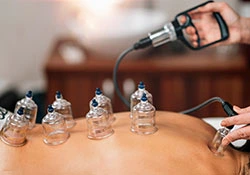
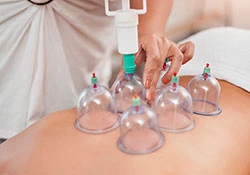
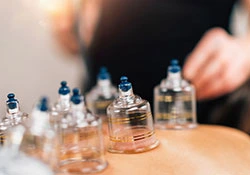
Since we realize the importance of comprehensive health care, we are fully aware of the role that alternative medicine plays in maintaining health in its ideal form, and that is why we are keen at the Hijama Clinic at Al Hayat Medical Center which provides high-quality therapeutic services using cupping for patients in need, after listening to each person’s symptoms and developing plans. A therapeutic treatment designed to address his specific problems, based on a combination of prophetic cupping and the mechanism of effect, and between scientific cupping and laboratory experiences.
If you are looking for a natural, non-surgical way to improve your general health, visit us at the best cupping clinic in Qatar.
No Content Available
What is cupping therapy?
Cupping therapy is an ancient form of alternative medicine in which a therapist places special cups on the skin for a few minutes to create suction. People get it for many purposes, including helping with pain, inflammation, blood flow, relaxation and well-being, and as a type of deep tissue massage.
Why do we use cupping?
Cupping can be used as a complementary therapy to treat a medical condition or to promote relaxation and relieve stress. These are some of the most common diseases that cupping is used to treat:
- Arthritis, including rheumatoid arthritis.
- Back pain, neck pain, knee pain and shoulder pain.
- Breathing problems such as asthma.
- Carpal tunnel syndrome.
- Digestive disorders, such as irritable bowel disease (IBD).
- Headaches and migraines.
- Hypertension.
What are the types of cupping?
Cupping is classified into the following two types, depending on the nature of the medical condition to be treated, in addition to the person’s desire taking into account the therapist’s opinion:
- Dry cupping: The dry cupping method mainly involves suctioning the skin.
- Blood cupping or wet cupping: The wet cupping method includes the process of suctioning the skin in addition to withdrawing amounts of blood.
Are there side effects?
Cupping is a safe treatment, but patients may experience some side effects such as mild discomfort, bruising, and swelling at the site where the cups were placed. Hygiene and sterilization measures and a therapist trained in cupping can reduce the risk of any more serious complications such as burns or skin infections.
Is cupping painful?
Cupping is generally not painful. Some people with fibromyalgia or other chronic muscle disorders may experience minimal discomfort and should mention this immediately so adjustments can be made.
How often can cupping be performed?
The number of cupping sessions that a person needs varies depending on his health condition, as some need one to three sessions, while others who suffer from chronic diseases may need more sessions.
When is the best time to perform cupping?
Dry and wet cupping can be performed at any time if there is a medical complaint or as a form of prevention. Some people prefer to do it on the days mentioned in the Prophet’s Sunnah, 17, 19, and 21 of the Hijri month.