

Breast cancer is one of the most common types of cancer among women worldwide. It is a disease that requires ongoing health awareness, not only to recognize its symptoms but also to understand the associated risk factors, learn about early detection methods, and become familiar with the available treatment options.
Every October, breast cancer awareness campaigns return under the name Pink October, encouraging women to prioritize their breast health, undergo appropriate screening, and seek medical advice if they notice any unusual changes. These campaigns are particularly important because detecting breast cancer at an early stage may improve treatment outcomes and reduce the risk of the disease spreading.
In this article, we explore essential medical information about breast cancer, including its causes and symptoms, diagnostic methods, prevention strategies, and the latest available options for breast cancer treatment.
What Is Breast Cancer?
Breast cancer is a disease that develops when certain cells in breast tissue begin to grow abnormally and uncontrollably. These cells may divide irregularly and form a tumor that can invade surrounding tissues or spread to other parts of the body.
Most breast cancers begin in the ducts that carry milk to the nipple or in the lobules responsible for producing milk. The type and severity of the disease vary depending on the characteristics of the affected cells, the nature of the tumor, and how far the cancer has spread at the time of diagnosis.
Although breast cancer primarily affects women, it can also develop in men, although this is much less common.
It is important to remember that finding a lump in the breast does not necessarily mean that it is cancerous. Many breast lumps have benign causes. However, any new lump or unusual change should be medically evaluated to determine its cause.
Pink October: Breast Cancer Awareness Month and the Importance of Health Education
October is recognized worldwide as Pink October, also known as Breast Cancer Awareness Month. This annual awareness campaign aims to increase public understanding of breast cancer, encourage early detection, support patients and survivors, and improve access to timely diagnosis and appropriate treatment.
Awareness during this month goes beyond wearing pink or participating in media campaigns. It also encourages women to take practical steps to protect their health, such as recognizing warning signs, discussing their family medical history with a doctor, and following screening recommendations appropriate for their age and individual risk level.
What Are the Goals of Breast Cancer Awareness Month?
Breast Cancer Awareness Month aims to achieve several important health and social objectives, including:
- Sharing accurate medical information about breast cancer and its associated risk factors.
- Encouraging women to consult a doctor if they notice any unusual changes.
- Raising awareness of the importance of routine examinations and mammography when recommended.
- Correcting common misconceptions, such as the belief that breast cancer only affects women with a family history of the disease.
- Providing emotional and social support for women living with breast cancer and helping reduce the fear and stigma associated with diagnosis.
- Improving access to early diagnosis and appropriate treatment.
The central message of Pink October is that breast cancer awareness should not be limited to a single month. It should remain an ongoing part of maintaining good health throughout the year.
Causes of Breast Cancer: What Factors Increase the Risk?
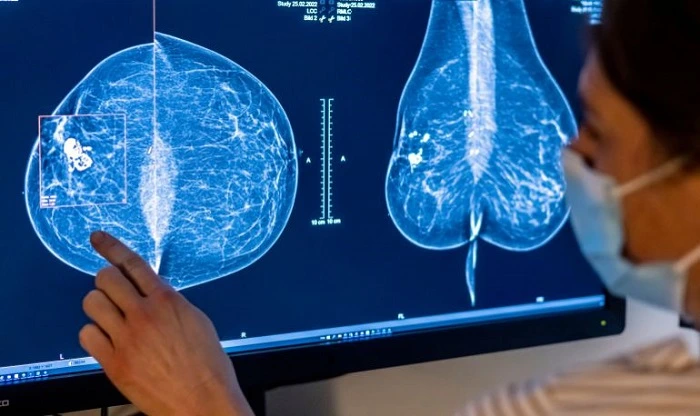
There is no single cause that explains every case of breast cancer. The disease develops as a result of genetic changes that affect how cells grow and divide. These changes may occur during a person’s lifetime or, in some cases, be inherited.
It is important to distinguish between the biological causes of the disease and the risk factors that increase the likelihood of developing it. Having a risk factor does not necessarily mean that a woman will develop breast cancer, just as having no recognized risk factors does not guarantee that she will never develop the disease.
1. Increasing Age
Increasing age is one of the most significant risk factors for breast cancer. The likelihood of developing the disease generally rises over time, although breast cancer can also occur in younger women.
2. Family History and Genetic Predisposition
Women with close relatives, such as a mother, sister, or daughter, who have been diagnosed with breast cancer may have a higher risk, particularly when the diagnosis occurred at a young age or multiple family members have been affected.
Some cases are associated with inherited genetic mutations, particularly BRCA1 and BRCA2. Other inherited gene mutations may also increase breast cancer risk.
In these cases, a doctor may recommend genetic counseling to assess the individual’s risk and determine an appropriate screening or risk-reduction plan.
However, having no family history of breast cancer does not eliminate the risk. Many women diagnosed with the disease have no known family history of it.
3. Hormonal Factors and Reproductive History
Lifetime exposure to certain hormones may influence breast cancer risk. Factors that may affect risk include starting menstruation at an early age, reaching menopause at a later age, and using certain types of hormone therapy after menopause.
The age at a woman’s first full-term pregnancy and her reproductive history may also be associated with risk. However, these associations do not mean that pregnancy itself, or delaying pregnancy, directly causes breast cancer.
4. Excess Weight and Physical Inactivity
Being overweight or obese, particularly after menopause, is associated with an increased risk of breast cancer. Physical inactivity may also contribute to a higher risk.
Maintaining a healthy weight and engaging in regular physical activity are therefore important components of a balanced lifestyle.
5. Smoking and Alcohol Consumption
Alcohol consumption is associated with an increased risk of breast cancer. Smoking is also linked to numerous health problems and may contribute to an increased risk of certain cancers.
Avoiding alcohol and refraining from smoking are important steps toward protecting overall health and reducing certain modifiable health risks.
Can Breast Cancer Develop Without Any Obvious Risk Factors?
Yes. Breast cancer can develop even when a woman has no known additional risk factors. Therefore, symptoms should never be ignored, and medical evaluation should not be delayed simply because there is no family history of the disease.
Breast Cancer Symptoms: Warning Signs You Should Not Ignore
Breast cancer may not cause noticeable symptoms in its early stages. This is one reason why appropriate screening is important, even for women who do not experience any symptoms.
When symptoms do occur, they may include the following:
1. A New Lump in the Breast
A new lump or area of thickened tissue in the breast should be medically evaluated, particularly if it feels different from the surrounding tissue or persists over time.
A breast lump may be completely painless, so pain is not necessary for a lump to require examination. At the same time, many breast lumps are benign and are not caused by cancer.
2. Changes in Breast Size or Shape
A woman may notice a new change in the size, shape, or symmetry of one breast compared with the other, especially if the change appears unusual or develops unexpectedly.
3. Skin Changes
Skin changes associated with breast cancer may include:
Skin dimpling or a texture resembling orange peel.
Unusual redness or swelling.
Thickening of the skin or changes in its texture.
Persistent sores or other unusual skin changes.
4. Changes in the Nipple or Nipple Discharge
Warning signs may include a newly inverted nipple, persistent sores or changes around the nipple, or unusual nipple discharge. Discharge is particularly concerning when it is bloody or occurs spontaneously from only one nipple.
5. Swelling in the Armpit
Swelling or enlarged lymph nodes in the armpit or near the collarbone may occur and should be medically evaluated to determine the underlying cause.
When Should You See a Doctor?
You should consult a doctor if you notice a new breast lump, persistent changes in the shape or skin of the breast, changes in the nipple, bloody discharge, or unexplained swelling.
Do not wait for pain to appear before seeking medical advice. Breast cancer may be painless in its early stages.
Breast Cancer Treatment: What Are the Available Treatment Options?
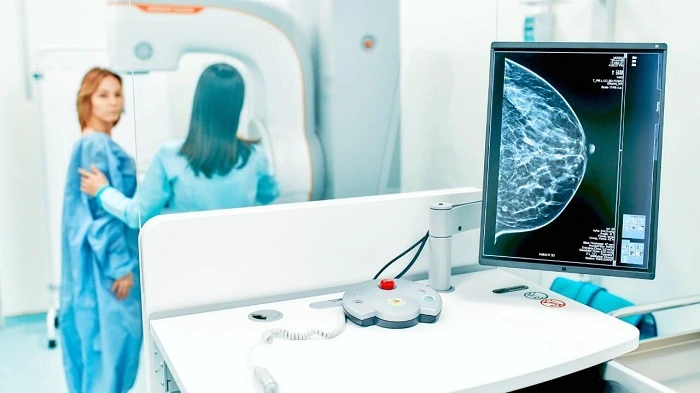
Breast cancer treatment has advanced significantly in recent years, with treatment plans increasingly tailored to the type and stage of the tumor, its molecular characteristics, and the patient’s overall health.
Depending on the individual case, a treatment plan may include surgery, radiation therapy, chemotherapy, hormone therapy, targeted therapy, or immunotherapy. These treatments may be used individually or in combination.
Treatment decisions are made collaboratively by the patient and a specialized medical team, which may include a breast surgeon, medical oncologist, radiologist, and pathologist.
1. Surgery
Surgery is a primary treatment option for many cases of breast cancer. The type of surgery depends on factors such as the tumor’s size, location, extent, and characteristics.
Surgical options may include:
- Breast-conserving surgery: Removing the tumor along with a margin of surrounding tissue while preserving as much of the breast as possible. Radiation therapy is often recommended afterward, depending on the individual case.
- Mastectomy: Removing the entire affected breast when medically indicated.
- Lymph node assessment: Examining nearby lymph nodes to determine whether the cancer has spread to them.
Breast reconstruction may also be discussed following a mastectomy, depending on the patient’s medical circumstances and personal preferences.
2. Radiation Therapy
Radiation therapy uses high-energy radiation to target cancer cells. It may be recommended after breast-conserving surgery or following certain types of mastectomy to reduce the risk of the cancer returning in the treated area.
Whether radiation therapy is needed depends on the stage of the disease, surgical findings, and other medical factors.
3. Chemotherapy
Chemotherapy uses medications that target cancer cells and interfere with their growth and division. It may be given before surgery to shrink a tumor, after surgery to reduce the risk of recurrence, or to control advanced disease.
The medications used, the number of treatment sessions, and the overall duration depend on the patient’s condition.
Possible side effects include fatigue, nausea, hair loss, and reduced levels of certain blood cells. Supportive treatments can help manage many of these side effects.
4. Hormone Therapy
Hormone therapy may be appropriate for breast cancers that have hormone receptors, such as estrogen or progesterone receptors. It works by reducing the effects of hormones that may stimulate the growth of certain cancer cells.
The choice of medication and duration of treatment depend on the tumor’s characteristics, the patient’s age, and her overall and hormonal health.
5. Targeted Therapy
Targeted therapy focuses on specific characteristics or proteins that help cancer cells grow. One example is treatment targeting the HER2 protein in patients whose tumors have this characteristic.
The choice of targeted therapy depends on the results of diagnostic tests and the biological features of the tumor. These treatments are not suitable for every type of breast cancer.
6. Immunotherapy
Immunotherapy helps the immune system recognize and attack cancer cells. It may be an option for certain types of breast cancer under specific circumstances, depending on the tumor’s biological characteristics and stage.
7. Palliative Care and Psychological Support
Palliative care focuses on relieving pain and other symptoms while improving quality of life. It can be provided alongside cancer-directed treatment and does not necessarily mean that active treatment is being discontinued.
Psychological support, appropriate nutrition, and assistance with managing treatment-related side effects are also important components of comprehensive breast cancer care.
Frequently Asked Questions About Breast Cancer
Is Breast Cancer Always Painful?
No. Breast cancer may present as a painless lump or changes in the skin or nipple, and it may cause no obvious symptoms in its early stages. Therefore, the absence of pain does not necessarily mean that there is no problem.
Does Every Breast Lump Mean Cancer?
No. Many breast lumps are benign, including cysts and fibroadenomas. However, every new lump or unusual change should be evaluated by a doctor to determine its cause.
Can Breast Cancer Affect Young Women?
Yes. Breast cancer can affect women of different ages, although the overall likelihood of developing it generally increases with age. Any suspicious symptoms should be evaluated regardless of age.
Can Men Develop Breast Cancer?
Yes, although breast cancer is much less common in men than in women. Warning signs that require medical evaluation include a lump in the breast area, nipple changes, or unusual nipple discharge.
Can Breast Cancer Be Prevented Completely?
There is no method that guarantees complete prevention of breast cancer. However, maintaining a healthy lifestyle, avoiding alcohol and smoking, assessing individual risk factors, and following appropriate screening recommendations are important steps that can support health, reduce certain risks, or help detect the disease at an earlier stage.
Conclusion: Pink October Is a Reminder of the Importance of Awareness and Early Detection
Breast cancer develops through a combination of factors, but advances in diagnostic techniques and treatment have improved the outlook for many patients, particularly when the disease is detected early and appropriate care is provided promptly.
Pink October reminds us that awareness should go beyond sharing information or wearing pink. It should translate into practical actions, beginning with recognizing the symptoms, discussing risk factors, undergoing appropriate screening, and seeking medical evaluation without unnecessary delay.
Do not wait for pain to appear, and do not assume that having no family history means you have no risk. Take care of your breast health throughout the year. Knowledge, early detection, and timely diagnosis are important steps toward better care.
Medical Disclaimer: This article is intended for health education and awareness purposes only. It does not replace a consultation with a qualified healthcare professional or the recommended screening programs in your country. Screening recommendations and treatment options vary according to age, individual risk factors, and medical history.
Trusted Medical Sources
To support the accuracy of the information published on this medical website, the following authoritative resources are recommended:
World Health Organization (WHO): Breast cancer — facts and medical information.
National Cancer Institute (NCI): Breast cancer information.
Centers for Disease Control and Prevention (CDC): Breast cancer.
Search Engine Optimization (SEO)