

Are you looking for a contraceptive method that does not require daily reminders, provides long-term protection, and allows fertility to return after removal?
The contraceptive implant may be one of the options worth considering.
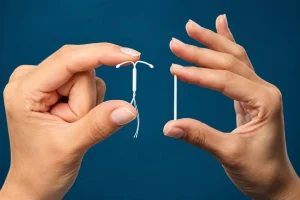
A contraceptive implant is a long-acting, reversible method of birth control. It consists of a small, flexible rod placed under the skin of the upper arm. The implant releases a low, steady dose of the hormone progestin to help prevent pregnancy.
One of its main advantages is its high effectiveness without the need to take a daily pill or use contraception every time you have intercourse.
The implant works mainly by preventing ovulation. It also thickens cervical mucus, making it more difficult for sperm to reach an egg.
Before deciding whether an implant is right for you, it is important to understand how it works, how long it remains effective, how it may affect your menstrual cycle, as well as the side effects of contraceptive implants, possible complications, and the method of contraceptive implant insertion and removal.
How Effective Is the Contraceptive Implant?
The contraceptive implant is one of the most effective forms of birth control, with an effectiveness rate of more than 99% when it is inserted and replaced according to the recommended schedule.
One of its key benefits is that its effectiveness does not depend on remembering to take a pill every day or regularly replacing a contraceptive method.
The implant is generally used for between 3 and 5 years, depending on the specific product and current clinical guidance. The duration varies according to the type of implant.
For this reason, it is important to know exactly which implant has been inserted rather than assuming that the same duration applies to all contraceptive implants.
Types of Contraceptive Implants
The types of contraceptive implants available may vary from one country to another. Common examples include:
1. Implanon and Nexplanon
Both are etonogestrel implants. Each implant contains a single rod with 68 mg of the hormone etonogestrel.
The implant was originally known as Implanon, while Nexplanon is the newer version, which contains a radiopaque component that allows it to be identified on X-rays.
2. Jadelle
Jadelle consists of two small rods, each containing levonorgestrel. Its approved duration of effectiveness is up to 5 years in some products and clinical guidelines.
3. Sino-implant II
This is also a two-rod implant containing levonorgestrel, with an approved duration of use of up to 4 years according to available product information.
Therefore, when women search for an implant that provides protection for 3, 4, or 5 years, the answer depends on the specific type of implant being used rather than on one universal duration.
How Does the Contraceptive Implant Work?
The implant releases a small and consistent amount of progestin into the body.
It works mainly by:
- Suppressing ovulation, which prevents the ovaries from releasing an egg.
- Thickening cervical mucus, making it more difficult for sperm to pass through.
- Causing changes in the lining of the uterus.
These effects significantly reduce the likelihood of sperm reaching an egg and fertilization occurring.

How Is a Contraceptive Implant Inserted?
The word “implant” may sound intimidating to some women, but the procedure is usually quick and does not involve major surgery.
The method of contraceptive implant insertion generally involves the following steps:
- The doctor performs an appropriate assessment to determine whether the implant is a safe option for the woman.
- The inner side of the upper arm is selected, usually on the non-dominant arm.
- A local anesthetic is applied to numb the area, so significant pain is generally not expected during the procedure.
- The healthcare provider uses a specially designed applicator to insert the implant just beneath the skin.
- A dressing is applied to the insertion site after the procedure.
Insertion usually takes only a few minutes. However, it should be performed by a trained healthcare professional because correct placement helps reduce the risk of injury to nerves or blood vessels and makes later removal easier.
What Are the Symptoms After Contraceptive Implant Insertion?
Some women may naturally experience mild symptoms after the implant is inserted, including:
- Mild pain or tenderness at the insertion site
- Bruising or slight swelling
- Minor bleeding from the insertion site
- Arm discomfort for a few days
These symptoms are usually temporary.
However, severe redness, increasing swelling, significant pain, or discharge from the insertion site may indicate an infection and should be assessed by a healthcare professional.
What Happens to Your Period After Getting a Contraceptive Implant?
This may be one of the most common questions among women considering the implant.
The important thing to understand is that the menstrual period after contraceptive implant insertion can change significantly, and there is no single bleeding pattern that applies to every woman.
Your periods may become:
- Lighter than usual
- Irregular
- Less frequent
- Associated with spotting or bleeding between periods
- Longer or more frequent in some women
- Completely absent in some women
According to CDC data, approximately 22% of users of the etonogestrel implant experienced amenorrhea in a pooled analysis of several studies. Others experienced infrequent or light spotting, while a smaller proportion reported frequent or prolonged bleeding.
Is Continuous Bleeding After Implant Insertion Normal?
Changes in bleeding patterns are among the most important things women should understand before choosing a contraceptive implant.
Spotting or light, irregular bleeding may occur, especially during the first few months, and some women may continue to experience an unpredictable bleeding pattern throughout the period of implant use.
Light bleeding and spotting are common, while heavy bleeding is less common. Changes in bleeding patterns do not necessarily mean that the implant is not working.
However, if bleeding is heavy, persistent, or occurs after a long period without menstruation, a doctor may need to rule out other possible causes, such as pregnancy, certain infections, thyroid disorders, or uterine conditions, depending on the symptoms and medical history.
Side Effects of the Contraceptive Implant
Like any hormonal contraceptive method, the side effects of the contraceptive implant can vary from one woman to another. Some women may experience symptoms, while others may have no noticeable side effects.
Reported side effects may include:
- Changes in menstrual bleeding patterns
- Spotting or irregular bleeding
- Headaches
- Breast pain or tenderness
- Acne
- Mood changes in some women
- Nausea or dizziness in some women
- Pain or discomfort at the implant site
Weight gain has also been reported by some users. However, available evidence does not always establish that the implant is the direct cause of weight gain in every case. Changes in weight should therefore be assessed in the context of the woman’s overall health and lifestyle rather than automatically being attributed to the implant.
What Are the Risks of a Contraceptive Implant?
When discussing the risks of contraceptive implants, it is important to distinguish between common side effects and rare complications.
In general, the implant is considered a safe contraceptive method for most women who are medically eligible to use it, and serious complications are uncommon.
Possible complications include:
1. Infection at the Insertion Site
An infection may occur around the area where the implant was inserted. Symptoms may include redness, swelling, or increasing pain and may require medical evaluation and treatment.
2. Implant Movement
In rare cases, the implant may shift slightly from its original position. A healthcare professional should be contacted if the implant can no longer be felt or if there is an obvious change in its location.
3. Difficulty Removing the Implant
Removal may become more complicated if the implant was inserted incorrectly, has moved, or has become deeply embedded under the skin. This is why both insertion and removal should be performed by a trained healthcare professional.
4. Pregnancy While Using the Implant
Pregnancy while an implant is in place is very uncommon because of its high effectiveness. However, if pregnancy occurs, medical evaluation is important, especially if there is severe abdominal pain, bleeding, or other concerning symptoms.
How Is a Contraceptive Implant Removed?
A woman can have the implant removed at any time if she wishes to stop using it. She does not have to wait until the end of its approved duration.
The method of contraceptive implant removal usually involves:
- The healthcare provider locates the implant by feeling the area or using imaging when necessary.
- The area is numbed with a local anesthetic.
- A small incision is made in the skin.
- The implant is removed using an appropriate medical instrument.
- A dressing is applied to the wound.
Removal is usually quick when the implant is correctly positioned and can be easily felt beneath the skin.
The implant should never be removed at home or by an unqualified person.
What Happens After the Contraceptive Implant Is Removed?
One of the most important things to know is that fertility can return quickly after the implant is removed.
Therefore, if you do not wish to become pregnant, it is important to start an alternative contraceptive method immediately according to your doctor’s recommendation.
If you are planning to become pregnant, there is generally no need to wait for several months for the hormone to “leave your body” before trying to conceive. Your doctor can advise you based on your individual health circumstances.
When Does the Contraceptive Implant Start Working?
The timing of contraceptive protection depends on when the implant is inserted, where you are in your menstrual cycle, the type of implant, and the applicable clinical recommendations.
For example, the implant may provide immediate protection when inserted at certain points in the menstrual cycle, while additional contraception, such as condoms, may be recommended for several days when it is inserted at another time.
For this reason, it is best to ask your healthcare provider exactly when the implant will start protecting you against pregnancy based on the day it was inserted and your menstrual cycle.
Key Benefits of the Contraceptive Implant
The contraceptive implant offers several advantages that make it an attractive option for many women:
- More than 99% effective
- Long-term protection
- No need to remember a daily pill
- Can be removed at any time
- Fertility returns quickly after removal
- No need to use contraception during intercourse
- Contains progestin only and does not contain estrogen
- Can be suitable for many women who cannot or do not wish to use estrogen-containing contraceptives
Conclusion
The contraceptive implant is a highly effective, long-acting, reversible form of birth control, but it is not completely free of side effects.
One of the most important things women should know before getting an implant is that the menstrual period after contraceptive implant insertion may change. Periods may become lighter, irregular, less frequent, or may stop altogether. Spotting or recurrent bleeding may also occur. These changes are generally not dangerous, but they can be bothersome for some women.
The method of contraceptive implant insertion and method of contraceptive implant removal are relatively simple medical procedures, but they should be performed by a trained healthcare professional to minimize the risk of complications.
Ultimately, there is no single “best contraceptive method” for every woman. The right choice depends on your health, personal needs, preferences, and future plans.
Medical Disclaimer: The information in this article is intended for general health education and does not replace professional medical advice. The duration of effectiveness varies depending on the type of implant and the country in which it is used. Always confirm the exact implant type, manufacturer’s instructions, and local healthcare guidance before relying on a specific duration of protection.