
Mungaro Slimming Injections: How Do They Work? What Are Their Benefits and Risks?
Mounjaro injections have become one of the medications that have garnered significant attention in recent years, particularly due to the remarkable results they have achieved in weight loss and the treatment of obesity in some patients.
However, Mungaro is not merely a “weight-loss injection”; it is a medication that contains an active ingredient that affects several mechanisms related to appetite and blood sugar regulation. Therefore, it must be used under medical supervision and only after an assessment of the patient’s health status.
So, what is Mongaro? How are Mongaro injections used for weight loss? Who is it suitable for? And what are its most significant side effects?
In this article, we’ll answer all the questions you have.
What are Mungaro needles?
Mounjaro is the brand name for a medication that contains the active ingredient tirzepatide and is administered via subcutaneous injection once a week.
Terzipatide works by activating the receptors for two natural hormones in the body, namely:
- GIP: Glucose-dependent insulinotropic peptide.
- GLP-1: Glucagon-like peptide-1.
Stimulation of these receptors helps regulate blood sugar levels and also affects appetite and food intake, which explains a significant part of Mungaro’s effect on weight loss.
How are Mungaro needles used for weight loss?
The effectiveness of Mongaro does not depend on directly burning fat; rather, it influences a range of mechanisms that help a person eat less and stick to a low-calorie diet.
Among its most significant effects are:
- Appetite suppression: Tirzepatide acts on areas of the brain associated with appetite regulation, helping to reduce feelings of hunger and the desire to eat.
- Increased feeling of fullness: A person may feel full after eating a smaller amount of food, and this feeling lasts longer.
- Slows gastric emptying: The medication delays the passage of food from the stomach, which is one of the factors that may contribute to a persistent feeling of fullness. This effect may also affect the absorption of certain oral medications.
- Improved blood sugar control: Tirzepatide helps increase insulin secretion in response to food and improves blood sugar control, especially in people with type 2 diabetes.
How much weight does the Mungaro lose?

Results vary significantly from person to person depending on baseline weight, dosage, response to treatment, diet, physical activity, and overall health.
However, the results of the clinical studies were striking.
In the SURMOUNT-1 study, which included 2,539 people who were obese or overweight and had a weight-related health condition but did not have diabetes, the use of tirzepatide once weekly, combined with lifestyle modifications, for 72 weeks resulted in a significant and sustained reduction in weight compared with placebo.
The European Medicines Agency notes that participants who received Mungaro injections in combination with diet and physical activity lost, on average, at least 15% of their body weight depending on the dose used, compared with about 3% in the placebo group, and more than 85% of Mungaro users succeeded in losing at least 5% of their body weight.
These figures are averages from clinical studies and do not mean that everyone will lose the same percentage.
Who can use Mungaro injections for weight loss?
According to the European marketing authorization, Mungaro may be used in combination with a low-calorie diet and increased physical activity for weight management in adults who have:
- A body mass index (BMI) of 30 kg/m² or higher, which falls within the obesity range.
- Or a BMI of 27 to less than 30 kg/m² with at least one weight-related health condition, such as high blood pressure, dyslipidemia, obstructive sleep apnea, cardiovascular disease, prediabetes, or type 2 diabetes.
Therefore, it is not recommended to view Mongaro as a means of losing several kilograms solely for cosmetic reasons without a medical indication.
How are Mungaro needles used?
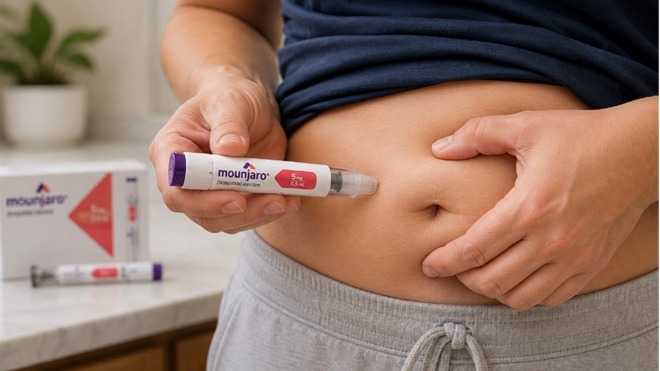
Mungaro is administered once a week by subcutaneous injection; the injection can be given in the abdomen, thigh, or upper arm.
Treatment typically involves starting with a low dose and then gradually increasing it according to the plan prescribed by the doctor and the patient’s tolerance of the medication.
One of the goals of dose escalation is to improve gastrointestinal tolerance of the treatment; gastrointestinal symptoms are more common during the dose-escalation phases.
You should not increase the dose on your own in an effort to speed up weight loss, because a higher dose does not necessarily lead to better results for every patient and may increase the likelihood of side effects.
What are the common side effects of Mungaro?
Most common side effects occur in the gastrointestinal tract; the most notable of these include:
- Nausea.
- Diarrhea.
- Constipation.
- Vomiting.
- Loss of appetite.
- Indigestion.
- Abdominal pain.
In many cases, gastrointestinal symptoms are mild to moderate; they tend to be more pronounced during the dose-escalation phase and may subside over time.
Are there any risks associated with Mongaro?
Although most side effects are gastrointestinal, there are some risks that require attention and medical follow-up.
Cases of acute pancreatitis have been reported with drugs in this class; therefore, the onset of severe and persistent abdominal pain—especially if it radiates to the back or is accompanied by vomiting—requires prompt medical evaluation.
Other warnings include the possibility of gallbladder problems, dehydration and resulting kidney problems, severe allergic reactions, and an increased risk of hypoglycemia when using Mungaro in combination with insulin or certain other diabetes medications.
The U.S. prescribing information includes a special warning regarding C-cell tumors of the thyroid, following their observation in animal studies; however, it has not been established whether terzipatide causes these tumors in humans. According to the U.S. prescribing information, the drug is contraindicated in individuals with a personal or family history of medullary thyroid carcinoma (MTC) or multiple endocrine neoplasia type 2 (MEN2).
Can Mungaro injections be used during pregnancy?
Mungaro is not a weight-loss medication for use during pregnancy, and you must inform your doctor if you are pregnant or planning to become pregnant before starting treatment.
The U.S. drug label indicates potential risks to the fetus based on animal studies; therefore, treatment and a plan for discontinuing it should be discussed with a doctor when planning a pregnancy.
Tirzepatide also delays gastric emptying and may affect the absorption of certain oral medications; therefore, there are specific considerations regarding oral contraceptives when starting treatment or increasing the dose, which should be discussed with a doctor or pharmacist.
Is Mungaro alone enough to lose weight?
Mungaro is not a substitute for a healthy diet and physical activity.
Therefore, it should be used in conjunction with a low-calorie diet and increased physical activity for weight management, rather than as a standalone treatment that can be relied upon without changing one’s lifestyle.
Healthy habits also help maintain muscle mass, improve fitness and metabolic health, and foster a lifestyle that can be sustained over the long term.

Will I gain the weight back after stopping Mungaro?
It is important to treat obesity as a chronic disease that requires a long-term treatment plan for many people, rather than a temporary problem that ends once a certain number appears on the scale.
Therefore, the decision to stop or continue treatment should be part of a plan developed by the doctor, with an emphasis on nutrition, physical activity, and habits that help maintain a healthy weight.
The NICE guidelines also recommend reassessing the feasibility of continuing treatment if a person has not achieved a weight loss of at least 5% of their baseline weight after 6 months of treatment at the highest dose they can tolerate, while weighing the benefits and risks of continuing treatment on a case-by-case basis.
When should I see a doctor while taking Mungaro?
Mungaro injections should be administered only after undergoing the necessary tests prescribed by your specialist, and they must be given under a doctor’s supervision. Seek medical advice if severe or unusual symptoms occur, especially severe and persistent abdominal pain, persistent vomiting, signs of dehydration, symptoms of a severe allergic reaction, or symptoms of low blood sugar in people taking other diabetes medications.
You should also inform your doctor of all medications and supplements you are taking before starting treatment, as Mungaro may affect the absorption of certain oral medications, and the dosage of some diabetes medications may need to be adjusted.
Summary
Mungaro injections contain tirzepatide, a medication that acts on the GIP and GLP-1 receptors and helps regulate blood sugar, reduce appetite, and increase feelings of fullness, Clinical studies have demonstrated its ability to achieve significant weight loss in people who are suitable candidates for treatment.
However, the effectiveness of Mungaro does not mean it is suitable for everyone, and its use for weight loss should not be haphazard or based on the experiences of others. Selecting the right patient, determining the dosage, monitoring side effects, and tracking results are all matters that require medical supervision.
Most importantly, medication for obesity is most effective when it is part of a comprehensive plan that includes a healthy diet, physical activity, and regular medical follow-up.
Medical Disclaimer: The information in this article is for health education purposes only and is not a substitute for consulting a doctor. You should not start taking Mungaro, adjust its dosage, or stop taking it without medical supervision.